
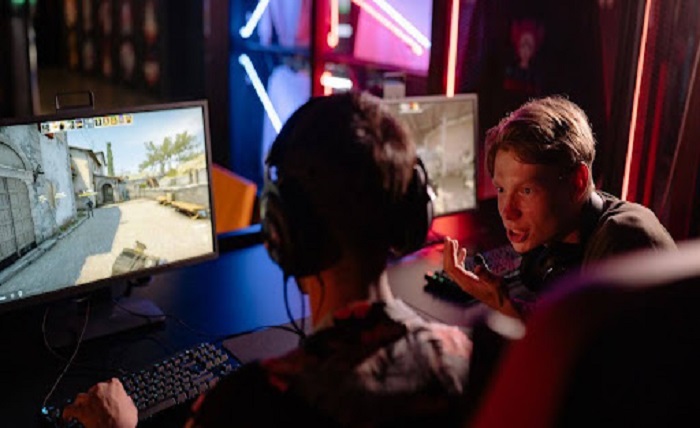
Have you ever asked why online gaming feels less like a solo hobby and more like a place where people meet, talk, and keep coming back? A big part of the answer is community. People are not just playing for points or progress. They are showing up for shared moments, familiar voices, and the sense that they belong somewhere.
That social pull has helped online gaming grow from a niche pastime into a regular part of daily life for many people. Fast internet and better devices matter, of course, but the real momentum comes from how players connect with each other. Friend groups, fan spaces, and in-game teamwork turn play into something that feels active even when the match is over.
When people feel seen, included, and useful, they stick around. Online gaming communities create those feelings in simple ways: a quick chat after a match, a group goal, or a shared joke that keeps resurfacing. Those small interactions build habits, and habits build lasting communities.
Why Community Matters So Much
At its core, online gaming grows faster when people have reasons to return beyond the game itself.
Social Connection Keeps Players Invested
Many players log in because friends are there. A session becomes a catch-up, a team effort, or a way to relax together after work or school. That social layer changes the value of play. Winning can feel good, but laughing through a rough round or helping someone improve can matter just as much.
Shared Identity Builds Loyalty
Communities often form around a shared style of play, a favorite mode, or even a common sense of humor. Over time, people start to identify with the group as much as the game. That loyalty makes communities resilient. Even if players try a different title for a while, they often stay connected to the same people.
How Communication Shapes The Experience
The tools people use to talk and coordinate have a direct effect on how strong a gaming community becomes.
Chat Turns Play Into Conversation
Text chat, voice channels, and forum threads let players react in real time and keep the conversation going after a match ends. Those spaces create room for advice, jokes, planning, and support. In some corners of online gaming, players even compare formats and features across genres, from strategy-heavy matches to quick-play options like slot titles, as part of a wider discussion about what keeps play fun and social.
Teamwork Encourages Trust
Games that ask players to coordinate naturally push people to listen, respond, and rely on one another. Trust grows when someone follows through, gives useful information, or stays calm under pressure. Those moments may seem small, but repeated often enough, they shape how a group sees itself.
The Role Of Creators And Fan Spaces
Community momentum often extends well beyond the game screen.
Fans Keep Conversations Alive
Clips, memes, match recaps, and player-made tutorials give communities something to talk about between sessions. These fan-made contributions help keep interest steady and make it easier for new players to learn the culture. A game with active discussion tends to feel alive, and that sense of activity draws more people in.
Creators Make Entry Easier
When skilled or entertaining players explain mechanics in plain language, beginners feel less intimidated. That matters because online games can be hard to enter at first. Friendly voices lower that barrier and make people feel like there is room for them, even if they are still learning.
How Inclusion Helps Communities Grow
The strongest gaming communities are usually the ones that make space for different kinds of players.
Welcoming New Players Matters
A newcomer who gets helpful advice is far more likely to stay than one who gets ignored or mocked. Communities grow when experienced players remember what it felt like to start from scratch. Clear communication, patience, and basic respect can shape the tone of an entire group.
Different Play Styles Can Coexist
Not everyone logs in for the same reason. Some people want competition, some want routine, and others want a quiet place to talk while playing. Healthy communities tend to make room for all of that. You can see this in discussions that compare social habits across many formats, including casual options such as slot play, where people often value familiarity and easy conversation as much as the activity itself.
What Community Momentum Means For The Future
As online gaming keeps growing, community will continue to shape what lasts and what fades.
People Follow People
Players often move between games with their friends, guilds, or regular groups. That means community can matter more than any single title. If a group stays active, it can carry its energy into new spaces and keep the same bonds alive across different experiences.
Healthy Spaces Support Long-Term Growth
Communities thrive when people feel safe speaking up, learning, and contributing. Strong moderation, clear norms, and positive leadership all help. These things are not flashy, but they give people a reason to return and participate over time.
Online gaming did not rise on technology alone. It rose because people found ways to turn play into connection, and connection into community. That momentum keeps building every time players help each other, share a laugh, or show up for the next session because someone they know will be there.