
Exploring how cultural beliefs shape gambling behaviors across societies
The Role of Cultural Norms in Gambling
Cultural norms play a pivotal role in shaping how gambling is perceived and practiced in various societies. In cultures where gambling is seen as a form of entertainment, it is often integrated into social activities and celebrations, contributing to its normalization. For instance, in many Western societies, gambling is closely associated with leisure and is widely accepted as part of social gatherings, such as poker nights or casino outings. If you’re interested in exploring more, visit https://joefortune-casino.org/ for a variety of gaming options.

Conversely, in societies where gambling is viewed negatively, cultural beliefs may stigmatize the activity, leading to more covert participation or outright prohibition. In these contexts, individuals may engage in gambling secretly, motivated by a sense of rebellion or the thrill of defying societal expectations. This dichotomy illustrates how deeply ingrained cultural beliefs influence not only participation rates but also the attitudes towards gambling as a whole.
Religious Influences on Gambling Attitudes
Religious beliefs often dictate the moral framework within which gambling is situated. For example, in many Islamic cultures, gambling is considered haram, or forbidden, due to its association with chance and risk-taking, which can lead to financial ruin. This religious stance fosters a cultural aversion to gambling, influencing individual and communal behaviors surrounding the practice.
On the other hand, in certain cultures where gambling is woven into spiritual or traditional practices, it may be viewed as a way to connect with the divine or to predict the future. This unique intersection of religion and gambling not only shapes individual choices but also influences legislative frameworks regarding gambling activities within those societies.
Socioeconomic Factors and Gambling Behavior
The socioeconomic status of individuals within a society significantly impacts gambling behaviors. In affluent communities, gambling can be a leisurely pastime associated with luxury and entertainment. Here, individuals may gamble responsibly, viewing it as a form of recreation rather than a financial necessity. This balanced approach often fosters a healthy gambling environment.
Conversely, in lower socioeconomic groups, gambling may be perceived as a potential escape from financial difficulties. This can lead to riskier gambling behaviors, as individuals may engage in gambling with the hope of improving their financial situation. This disparity illustrates how economic realities shape not only access to gambling opportunities but also the motivations behind gambling practices in different cultural contexts.
The Impact of Technology on Cultural Gambling Practices
The advent of technology has revolutionized gambling practices around the world, creating new cultural dynamics. Online casinos and mobile gaming apps have made gambling more accessible, often attracting younger audiences who engage in gambling in ways that previous generations did not. This shift can lead to a blending of traditional cultural beliefs with modern practices, resulting in unique forms of gambling behavior.
However, the accessibility of online gambling also raises concerns about addiction and irresponsible gambling, particularly among vulnerable populations. Cultural beliefs surrounding mental health and addiction may influence how society responds to these challenges, affecting the development of support systems and educational resources for responsible gambling.
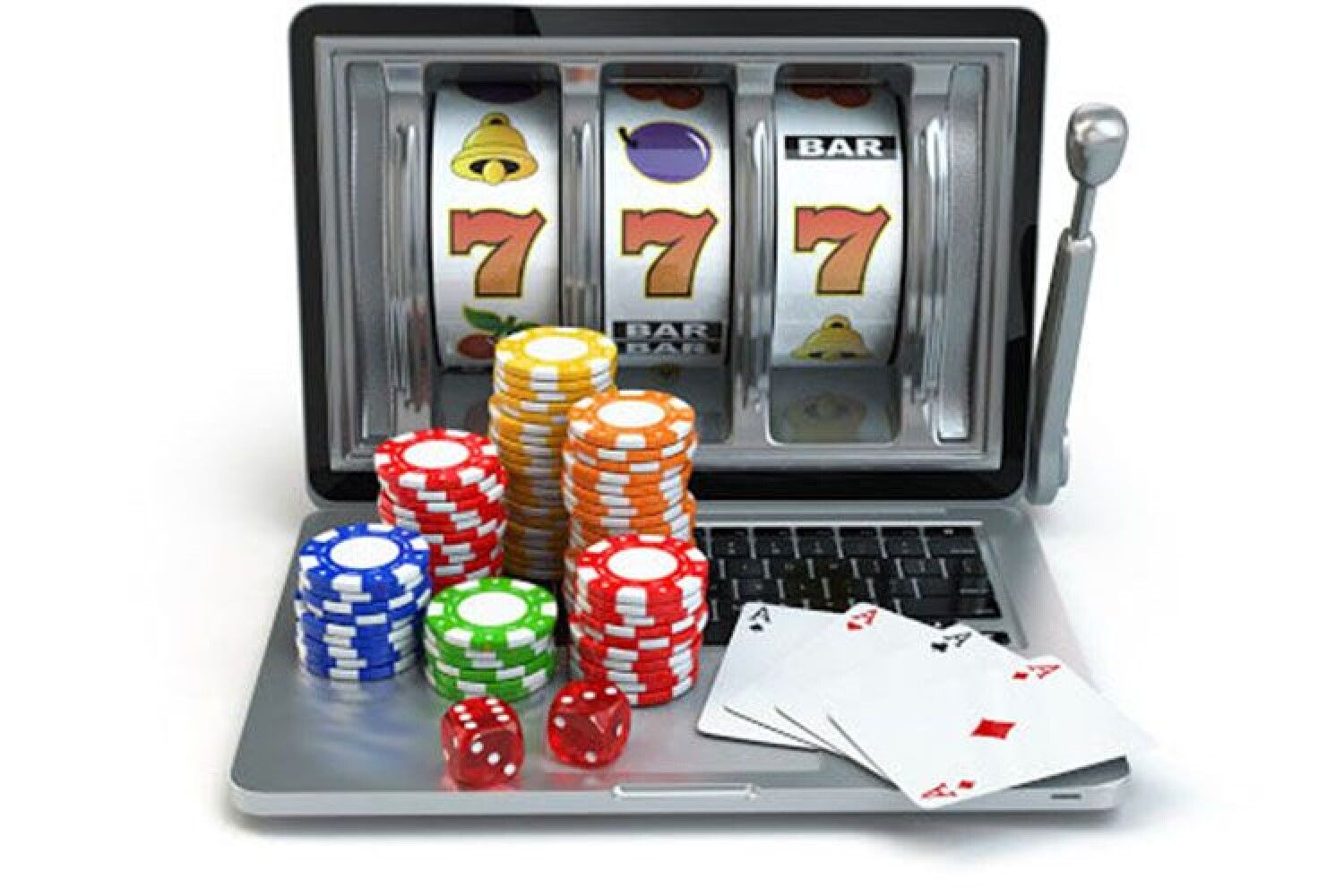
Exploring Joe Fortune Casino’s Influence on Gambling Culture
Joe Fortune Casino Australia represents a case study in how online gambling platforms can shape contemporary gambling culture. By offering a wide range of games and significant welcome bonuses, this platform caters to diverse player preferences while promoting a vibrant online gaming community. The casino’s approach to marketing and customer engagement reflects the evolving norms surrounding online gambling.
As awareness of gambling addiction grows, platforms like Joe Fortune are increasingly prioritizing responsible gambling initiatives. By integrating tools for self-regulation and educational resources, they acknowledge the cultural implications of gambling while providing an engaging experience for players. This balance between entertainment and responsibility is crucial as cultural beliefs around gambling continue to evolve in the digital age.